
Termite Questions Every Home Buyer Should Ask Before Closing in St. Johns and Flagler
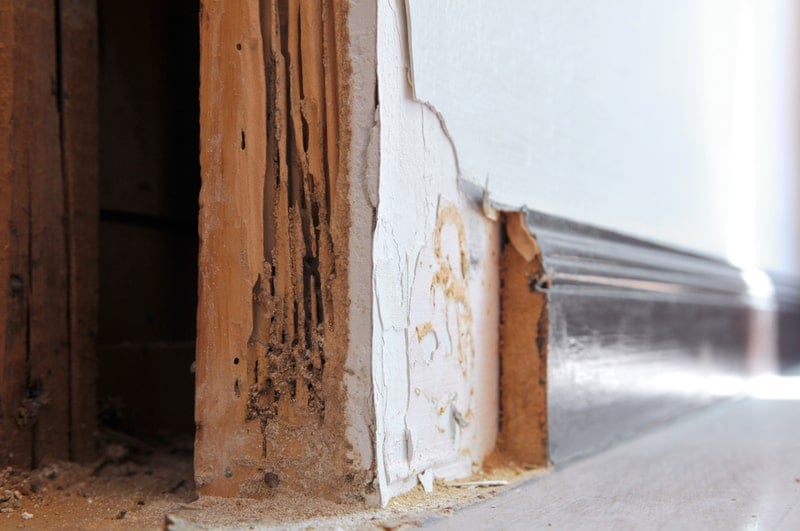

Termite damage is one of the few real estate issues where sellers ARE required to disclose — and yet buyers still get burned regularly. The disclosure covers what the seller knows about; it doesn’t cover what nobody’s looked for in ten years. Here’s how to protect yourself before closing on a St. Johns or Flagler home, especially in older neighborhoods and historic downtown St. Augustine.
What Sellers Are (and Aren’t) Required to Disclose
Florida requires sellers to disclose known material defects, which includes past termite damage and known active infestations. What the disclosure does NOT cover:
- Damage the seller genuinely doesn’t know about (silent activity behind walls)
- Prior treatments where documentation was lost
- Bonds that lapsed years ago and were forgotten
- Damage under a previous owner that was repaired but never re-treated
The gap between “what a seller knows” and “what’s actually in the walls” is often significant on homes older than 15 years. Which is why pre-purchase termite inspection matters even on properties with a clean seller disclosure.
Questions to Ask Before You Make an Offer
- Has this property ever been treated for termites? If yes, when, by whom, and what treatment (Termidor liquid barrier, Trelona baiting, tent fumigation, spot treatment)?
- Is there an active termite bond? If yes, is it transferable? Some bonds transfer automatically; some require the buyer’s approval and a small fee.
- When was the last annual bond inspection? Bonds require annual inspections to stay active. A bond that hasn’t had one in three years is likely lapsed.
- Any documented termite damage repair? Ask specifically — replaced sill plates, floor joists, subflooring, or wall framing.
- Has any recent flooring or baseboard work been done? Sometimes covers damage repair.
- Does the seller have any receipts or warranty documents from past termite treatment? Get copies.
- Any evidence of swarms in the last three years? Warm-weather swarms deposit discarded wings — sometimes photographed by owners, sometimes noted in prior inspections.
- What’s the age and material of the home? Older wood-frame homes in humid coastal areas carry higher termite risk than concrete-block construction.
- How close is landscaping to the foundation? Wood mulch, dense shrubs, and moisture-retaining ground cover all attract subterranean termites.
- Is there any wood-to-ground contact anywhere on the property? Deck posts, fence posts, or landscape timbers touching soil = active foraging path.
Signs to Spot on Your Walk-Through
The visible signs of termite activity most homeowners miss:
- Mud tubes — pencil-thin brown tubes on foundation walls, piers, or the exterior side of the garage slab. Break one carefully with your fingernail: still moist inside = active.
- Discarded swarmer wings — piles of small clear-brown wings on windowsills or along baseboards. Even from a swarm months ago they’ll still be there if nobody’s cleaned that area.
- Frass (drywood termite droppings) — small piles of what looks like coffee grounds near baseboards, on window frames, above cabinet corners. Signature of drywood colonies.
- Blistering or bubbling paint — surface paint layer over excavated wood. No water source = probably termites.
- Hollow-sounding baseboards — tap along the base of walls with a screwdriver handle. Solid thump = fine. Hollow ring = investigate.
- Sticking doors and windows — advanced sign. Framing has shifted due to structural damage.
- Sagging floors — very advanced. Structural repair territory.
Ignored Signs That Point to Larger Damage
- Recent baseboard or trim work in specific rooms. Often replaces termite-damaged trim.
- Fresh caulk in cracks near door frames. Sometimes covers small holes from termite exit points.
- New drywall in one wall of a wood-frame home. Common repair after subterranean damage.
- Vinyl flooring replacing what was hardwood. Sometimes replaces heavily damaged original flooring.
What to Ask About Existing Termite Bonds
If the seller has a bond, ask these specifically:
- Which company issued the bond? (You’ll want to contact them directly for details.)
- Is it a re-treatment bond or does it include damage coverage? Damage-inclusive bonds are more valuable.
- What’s the coverage cap on damage repair, if any?
- When does the current annual inspection expire?
- Is the bond transferable to me at closing?
- What does the transfer cost, if any?
Most modern bonds are transferable at no cost. Verify in writing before you assume.
The First Termite Inspection After You Move In
Whether or not there’s an existing bond, get a fresh termite inspection within the first 90 days of ownership. Cost: free. Value: an independent baseline of active vs. dormant activity, verification of the bond’s status, and a starting point for whatever ongoing treatment or bond program you’ll want.
If there’s no existing bond, this is also when to set one up. Bonds are cheapest when established without existing active damage — starting a bond after damage is discovered is more expensive and comes with restrictions.
The math on this vs. skipping it: Free pre-purchase termite inspection catches issues before you own them. $800–$2,800 treatment plus bond if issues are found. $12,000–$40,000 structural repair if you inherit damage you didn’t know about.
Buying a home? Book a free pre-purchase termite inspection.
Free termite inspection across St. Johns and Flagler Counties. Same-week appointments. Written report you can share with your realtor and closing attorney.
See Termite Control Services →Read next: Buying a Home in St. Johns or Flagler? Your Pest, Termite, and Lawn Checklist. Or dig into the full termite control guide.
Frequently Asked Questions
Isn’t a termite inspection part of the closing process?
A separate WDO inspection (Wood-Destroying Organism) is standard for real estate transactions in Florida — it produces the signed 13645 form your lender needs. That’s a formal, licensed inspection with a fee (typically $75–$150). A free pre-purchase termite inspection from us is separate and complements the WDO by giving you an independent second look.
Is a transferable bond a real value?
Yes — it’s a real selling point and often worth $500–$1,500 in avoided treatment cost if you’d need a new bond otherwise. Verify it transfers properly at closing.
What if the seller refuses to disclose termite history?
They’re required to disclose known material defects, so refusal on documented past damage is a legal issue. For less-material questions (routine treatment history, active bonds), they’re not required to answer, but refusal itself is informative.
Should I make an offer contingent on a clean termite inspection?
Reasonable, especially on wood-frame or older homes. Standard contract templates often already require WDO clearance for lender approval; you can add a broader termite inspection contingency on top.
Brandon Micalizzi is the licensed owner-operator of Unity Pest & Wildlife, based in St. Augustine, FL. He’s been serving St. Johns and Flagler Counties since 2023 as an owner-operator, with nearly a decade in the industry (since 2017). If you’re buying a home and want help with a pre-purchase termite inspection, book a free termite inspection or call (386) 597-3955.
