What Happens When You Ignore a Small Pest Problem — The North Florida Timeline

The single most common thing homeowners tell me on the first call is “I just saw one.” One roach on the counter. One ant trail on the kitchen island. One droppings pile in the garage. What they mean is “this is probably no big deal.” What it actually means is closer to “the visible tip of a much larger colony.”
Here’s what happens when you let a small pest problem sit — the real North Florida timeline, and the money math on why waiting almost always costs more than acting.
Week 1 — What You See Is 10% of What’s There
Pest biology is unkind to homeowners. Every visible bug represents a colony you’re not seeing. One German cockroach in the kitchen means an established harborage behind the fridge, dishwasher, or in the cabinet voids — usually 20–50 individuals at minimum. One trailing ghost ant means a nest inside the wall with several thousand workers. One rodent dropping in the garage means a rodent has been through the space multiple times.
The visible bug is a scout, an overflow, or bad luck for the colony that let one wander out. It’s not the colony. Treating what you saw and calling it done means the colony keeps growing.
Cost to fix at this stage: $150–$250 for a one-time targeted treatment, or $65/quarter to start a recurring program that catches it before it grows.
Month 1 — One Colony Becomes Multiple
North Florida’s climate doesn’t give colonies a rest. Roaches breed year-round. Ants split into daughter colonies when the original outgrows the space. Rodents are pregnant within days of finding harborage. In the first 30 days after a colony establishes, the population multiplies — often 3× to 5× the initial size — and starts sending scouts to establish new nests.
The result is that the “one roach” from week one has become five sightings in different rooms by week four. The single ant trail has become two trails from different entry points. The one dropping is now a small pile. You’ve crossed the threshold from “I might have a pest problem” to “I definitely have a pest problem.”
Cost to fix at this stage: $250–$450 for a targeted treatment plus a follow-up. Or start quarterly recurring — but you’re now paying for a heavier initial visit ($150 above the quarterly base) to knock the population back.
Month 3 — Structural Contamination and Health Risks
By month three, three things happen that turn a nuisance into a serious problem.
Structural contamination. German roach populations in month three are producing enough droppings and shed skins to trigger asthma in sensitive family members. Rodent activity crosses into wiring damage — chewed insulation on electrical runs, chewed HVAC line insulation, and contaminated attic space. Ants that started in the kitchen may now be in the walls, particularly carpenter ants that damage structural wood.
Multi-pest interactions. Roaches attract spiders (which eat them). Roach and ant populations attract lizards indoors. Rodent activity brings mites into the wall voids. What was “one pest problem” is now three or four.
Product resistance. Home Depot sprays start losing effectiveness fast against a mature population. Consumer-grade active ingredients like pyrethrin build up resistance in ants and roaches within weeks of exposure. This is why people who spray weekly and see no improvement are always the ones with the biggest problem when we get to them — they’ve bred a resistant population.
Cost to fix at this stage: $450–$900 for the initial treatment, plus quarterly recurring for at least a year to stabilize. If sanitation cleanup is needed (roach droppings behind appliances, rodent contamination in insulation), add $300–$1,200.
The math nobody talks about: Recurring quarterly pest control at $65/visit = $260/year. A month-three intervention on an established colony often runs $800+ up front just to normalize the population — a full year’s worth of preventive service in a single visit, and you still need the recurring program afterward to keep it stable.
The Real Financial Cost (Cleanup + Damage + Health)
The out-of-pocket money on ignored pest problems shows up in three places:
- The heavy initial treatment — 3–5× the cost of same-week intervention when the problem was small.
- The damage repair — chewed wiring, contaminated insulation, structural wood from carpenter ants, drywall behind roach-infested appliances.
- Downstream health costs — respiratory issues from roach allergens, missed work days, and in the worst cases, rodent-borne disease exposure.
None of these are covered by homeowners insurance. Every one comes from your pocket.
Why Florida’s Climate Compounds Every Delay
Warm, humid, no hard freeze. In Ohio or New Jersey, a mild fall gives homeowners a real window where colonies slow down. In North Florida, colonies don’t slow down. What would compound over 18 months up north compounds over 6 months here.
This is also why the quarterly cadence works for so many homes. Every three months we’re catching new activity in its first cycle, before the population has doubled. Same for termite work, same for wildlife — the same math applies to every pest we treat.
Seeing signs of pest activity? Book a free inspection.
Free property walkthrough across St. Johns and Flagler Counties. Brandon does the inspection himself, identifies what you actually have, and gives you a written quote before any work happens.
See Residential Pest Control Services →Read next: How to Handle Household Pests — DIY Options and When to Call a Pro. Or dig into the full pest control guide for species-by-species detail and treatment approaches.
Frequently Asked Questions
Does spraying myself first make it harder for you to treat later?
Sometimes, yes. Heavy consumer-grade spraying builds population resistance to common active ingredients and scatters roach colonies into secondary harborages. If you’ve been spraying without results for more than a couple weeks, let us know at the first visit — we’ll adjust the product class accordingly.
Is one visible pest ever really “just one”?
Very rarely. Palmetto bugs (American roaches) that came in during a weather event might genuinely be a one-off. Everything else — German roaches, ants, rodents, silverfish — always represents a larger population that’s not visible.
How do I know if I need one-time treatment or quarterly?
One-time works for a specific isolated event (wasp nest, pre-move-in cleanout, bed bug spot). Everything else in North Florida — palmetto bugs, ants, rodents — benefits from quarterly because the climate never lets populations rest.
What’s the cheapest way to prevent this problem entirely?
Start quarterly early — before you see anything. Quarterly at $65/visit is $260/year and it catches new activity in the first cycle. That’s cheaper than most one-time interventions on an established colony.
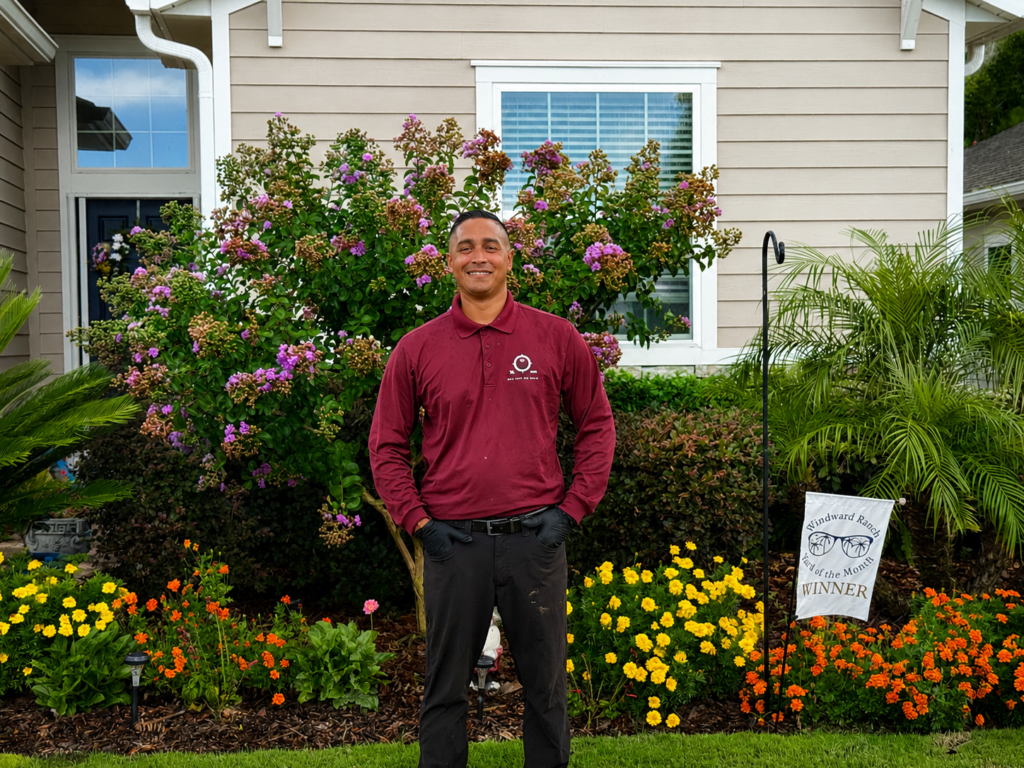
Brandon Micalizzi is the licensed owner-operator of Unity Pest & Wildlife, based in St. Augustine, FL. He’s been serving St. Johns and Flagler Counties since 2023 as an owner-operator, with nearly a decade in the industry (since 2017). If you’re seeing signs of pest activity, book a free inspection or call (386) 597-3955.
