How to Handle Household Pests — DIY Options and When to Call a Pro (St. Augustine & Palm Coast)

The pest control aisle at Home Depot is 40 feet long and confusing. Most homeowners buy the wrong product for their problem, spray too heavy, and end up making the situation worse. The right DIY product for the right pest actually works. The wrong one wastes your money and can breed a resistant population that costs more to fix later.
Here’s the honest breakdown of which DIY products work for which North Florida pests, and where the line falls between “handle it yourself” and “call a licensed operator.”
Correct Identification (Same-Looking Pests Need Different Treatments)
Half of all failed DIY pest control is wrong-product-for-wrong-pest. American cockroaches (“palmetto bugs”) and German cockroaches look similar to homeowners but require completely different treatments — spraying the perimeter for German roaches is nearly useless because they live indoors. Ghost ants and odorous house ants both trail across counters but respond to different bait chemistries. Correct ID is the first move on every DIY treatment.
Take a photo before you buy. A phone camera close-up is enough for an experienced operator to ID most species. If you’re uncertain, our free inspection is faster (and cheaper) than trial-and-error at the store.
DIY Options for Each Common Pest
Roaches — What Actually Works
American cockroaches (palmetto bugs) — perimeter-focused treatment. Granular products like bifenthrin granules at Home Depot broadcast around the foundation, plus caulking of gaps around plumbing penetrations. Interior spraying alone almost never works because these are outdoor-nesting insects entering the home.
German cockroaches — Advion cockroach gel bait is the gold standard consumer-available product. Small pea-sized dabs in cabinet corners, behind the fridge, under sinks. Do not spray anything else — the spray drives roaches away from the bait and lets the colony survive. Give it two weeks.
Ants — What Actually Works
Ghost ants and odorous house ants (kitchen trails) — Terro liquid ant bait stations at Home Depot. Place directly on the trail. Do not spray the ants — you want them to carry the bait back to the nest.
Fire ants (yard mounds) — Amdro fire ant bait, broadcast over the whole yard rather than just spot-treating mounds. Broadcast application knocks down colonies you can’t see. Spot mound treatment just relocates them.
Carpenter ants — call a pro. Carpenter ants nest inside structural wood and DIY spot treatment usually just splits the colony into multiple satellite nests. This is one where DIY makes it worse.
Rodents — What Actually Works
Snap traps. Victor snap traps at Home Depot are more effective than any other consumer option. Place perpendicular to walls in runways (rodents travel along baseboards). Bait with peanut butter, not cheese. Set 6–10 traps for a small rodent problem — one trap is not enough.
Bait stations. Tomcat bait stations at Lowes work for exterior perimeter placement. Do not use interior bait blocks — rodents die in wall voids and you can’t reach them.
Spiders — Do This Instead
Spiders eat other pests. If you have a spider problem, you have a food-source problem. Reduce the roach and ant populations and the spider population follows. Sticky monitor traps in garages and closets help track activity but rarely solve infestations on their own.
Silverfish — Do This Instead
Silverfish are a moisture problem, not a pest problem. Dehumidify the space (bathrooms and kitchens especially). Boric acid powder in wall voids and under sinks kills them slowly and reliably.
DIY Options That Waste Your Money
- Foggers (“bug bombs”). Every pro will tell you not to use these. They push roaches deeper into wall voids and scatter German roach colonies into secondary harborages, making the problem harder to treat later.
- Ultrasonic repellers. Zero evidence of effectiveness. Multiple peer-reviewed studies.
- DIY perimeter spraying with a hose-end sprayer. Wrong active ingredients, wrong application rate, wrong timing. Almost always ineffective and often breeds resistance.
- Essential oil sprays. Peppermint, eucalyptus, tea tree — short-term irritation, no long-term effect on populations.
When Big-Box Products Aren’t Enough
Call a pro when:
- You’ve tried the right DIY product for the right pest and still see activity after 30 days
- You have German cockroaches — active infestation almost always requires professional gel bait rotation plus IGR (insect growth regulator), not available at retail
- You have carpenter ants, termites, or any wood-destroying insect activity
- You have rodents in the attic, walls, or crawlspace (not just garage)
- You need a fast fix before a real estate closing, open house, or family visit
- Someone in the home has severe allergic sensitivity — professional applications can be adjusted to specific chemistries
Cost Comparison — DIY vs. Quarterly Pro Service
- DIY yearly spend (products, replacement, incremental treatments): $150–$400/year for one household, plus your time.
- Unity quarterly pest control: $260/year ($65 × 4 visits), plus targeted interior treatment as needed, plus perimeter walkthroughs, plus warranty on effective treatment.
DIY is often more expensive than quarterly professional service by the end of a full year — plus DIY doesn’t include the perimeter walkthrough where we catch the entry points that would let new pests in.
Tried DIY and still seeing pests? Book a free inspection.
Free property walkthrough across St. Johns and Flagler Counties. Brandon identifies what you actually have and gives you a written quote before any work happens.
See Residential Pest Control Services →Read next: DIY Pest Control Products Compared — Sprays, Baits, and Foggers Reviewed. Or dig into the full pest control guide for the species-by-species deep-dive.
Frequently Asked Questions
Is Advion gel bait as good as what pros use?
The consumer version of Advion has a very similar active ingredient concentration to the pro version. It works. The bigger differences are placement (knowing where roaches actually harbor) and rotating chemistries across visits so resistance doesn’t build.
What’s the fastest DIY fix for palmetto bugs?
Granular bifenthrin around the exterior perimeter, plus sealing weep holes and gaps around plumbing penetrations. Interior sprays help short-term but don’t solve the pipeline of new roaches coming in from outside.
How long should I wait before deciding DIY isn’t working?
Two weeks with the right product for the right pest is a fair test. If activity hasn’t dropped significantly by then, escalate. Waiting longer just lets the population grow and makes eventual professional treatment more expensive.
Are your products safer than what I buy at Home Depot?
Professional-grade products are often the same chemistry as retail at label-rate application by a licensed operator. What’s different is that pros know where products should and should not go, avoid over-application, and pair chemical treatment with structural exclusion.
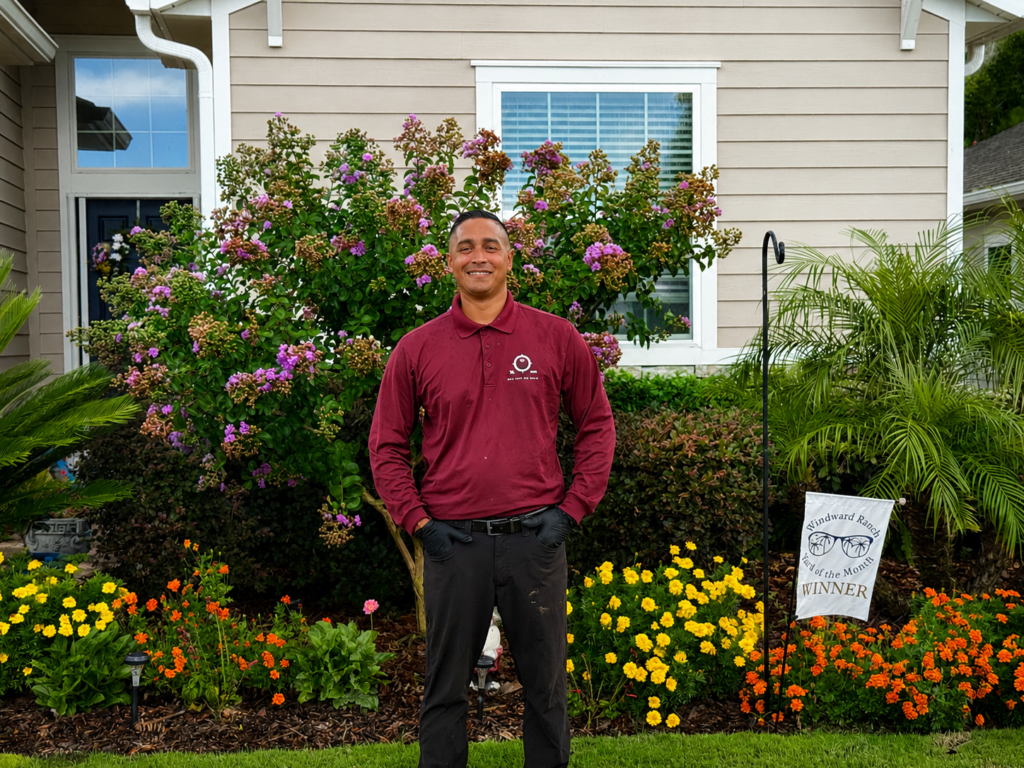
Brandon Micalizzi is the licensed owner-operator of Unity Pest & Wildlife, based in St. Augustine, FL. He’s been serving St. Johns and Flagler Counties since 2023 as an owner-operator, with nearly a decade in the industry (since 2017). If you’re dealing with pest activity you can’t shake, book a free inspection or call (386) 597-3955.
