After a Decade in Pest Control, Here Are the Best Ways to Do Residential Pest Control in St. Augustine, Palm Coast & St. Johns
A young couple in Nocatee bought their first house in the summer of 2022. Two-year-old build, all the modern upgrades, quiet cul-de-sac. Two weeks after they moved in, the wife texted me a photo at 11 pm — a two-inch American cockroach on their kitchen counter. She’d killed it with a shoe. Then a second one twenty minutes later. Then a third the next morning under the fridge.
They were horrified. They’d assumed a new-construction home wouldn’t have this problem. The truth was the opposite. Nocatee was built on former pine flatwoods and cypress bottoms. American roaches — the ones locals call palmetto bugs — live outdoors year-round in that habitat and they were coming inside to escape the summer heat and dry conditions on the built landscape. It had nothing to do with the couple’s cleanliness or their new home’s condition. It was geography.

Pest control in North Florida is almost never about the individual bug you just saw. It’s about the ecosystem your house sits in, the season, and the small structural details around your foundation and roofline that decide whether pests find their way inside. This is the guide I use to help homeowners understand what they’re actually dealing with — and how to fix it in a way that lasts.
Why the St. Johns and Flagler Corridor Is Pest Central
The Coastal Humidity + Sandy Soil + Mild Winters Trifecta
North Florida’s climate is a pest paradise. Coastal humidity keeps moisture available year-round, our sandy soil drains just enough to give burrowing pests good habitat without ever getting truly dry, and our winters don’t get cold enough to knock populations back. Roach and ant colonies that would collapse in a hard freeze up north just keep growing here.
Pest Pressure by Season
- Winter (December – February): German cockroach, rodents (roof rats and Norway rats moving indoors), silverfish, subterranean termite swarming starts late.
- Spring (March – May): Ant colonies wake up and expand rapidly. Subterranean termite swarms. Wasp nesting starts. Flea populations begin rising.
- Summer (June – August): Peak everything. American roach outdoor migration into homes. Chinch bugs in lawns. Mosquitoes. Wasps at maximum aggression.
- Fall (September – November): Roaches and rodents seeking warmth as nights cool. Ant colonies stockpile for winter. Wolf spiders more visible indoors.
Coastal vs. Inland — Very Different Problems
Homes in historic downtown St. Augustine, on Anastasia Island, or in Vilano Beach fight different pest pressure than homes in Nocatee or World Golf Village. Coastal properties see more American roaches from palm skirts, more silverfish in older coquina block construction, and heavier ant pressure from the sandy landscaping. Newer inland developments get more scorpions (yes, we have them), armadillo yard damage, and roof rat activity in newly-built subdivisions surrounded by preservation land.
Palm Coast is its own case — the R-sections that back to canal-adjacent preservation land are the highest-pressure residential environment I service. Every kind of pest we deal with shows up there.
The one thing homeowners get wrong most often: assuming that seeing one pest means you have “some” pest activity. In our climate, one visible American roach means dozens outside your house. One German roach in your kitchen means a colony behind your appliances. Visible presence is always the tip of a bigger problem.
The Pests Every North Florida Homeowner Will Meet
American Roaches / “Palmetto Bugs”
Two-inch, reddish-brown, and capable of flying short distances. They live outdoors in palm skirts, mulch beds, and wood piles year-round. They come inside during weather extremes — mainly hot dry summer days and cold snaps in winter — through gaps around plumbing penetrations, weep holes in brick facades, and under exterior doors.
Treatment is about exclusion and perimeter barriers, not about interior spraying. If we spray your kitchen for a palmetto bug you saw last night, we haven’t fixed anything. What matters is the granular perimeter treatment, the plumbing penetration sealing, and the palm skirt cleanup outside.
German Cockroaches — The Real Problem
German roaches are a different species entirely. Small (half-inch), tan-colored, and they live indoors — inside walls, behind appliances, in cabinet voids. Unlike American roaches, they never leave the structure. A German roach infestation is always a structural problem and always requires interior treatment. They breed fast and become resistant to common consumer sprays quickly.
If you’re seeing small tan roaches in your kitchen and bathroom, don’t spray them yourself. Call. Consumer sprays kill the ones you see and spread the colony. Professional gel baits do the opposite — they take the active ingredient back to the harborage and eliminate the colony.
Ghost, Fire, and Carpenter Ants
Ghost ants are the tiny pale-brown ants that trail across kitchen counters looking for sugar. Fire ants build the mounds in yards that everyone in Florida knows to avoid. Carpenter ants are large (up to a half-inch), black or black-and-red, and they burrow into structural wood — often mistaken for termites.
Correct ID matters because the treatment is different for each. Ghost ants respond to sweet gel bait. Fire ants require broadcast granular treatment for the whole yard, not spot treatment of visible mounds. Carpenter ants need a targeted foam treatment of the actual nest, which is often deep in a wall or a wet piece of exterior trim.
Roof Rats
Roof rats — sometimes called black rats — are the dominant rodent in North Florida homes. They enter attics through soffit gaps, roof-line joints, and gable vents. They travel utility lines and tree branches to reach roofs. They chew wiring, contaminate insulation, and their droppings are a health issue.
Rodent control that works is a three-step process: interior baiting or trapping to remove the current population, exterior exclusion to seal every entry point, and habitat modification (trimming tree branches away from the roofline, sealing garbage areas). Skip any step and rats come back within weeks.
Wolf Spiders, Widows, and Recluses
Wolf spiders are the big fast brown spiders you see indoors, especially in fall. They’re harmless. Southern black widows do live in Florida — check dark corners of garages, sheds, and under outdoor furniture. Brown recluses exist in Florida but are far less common than the internet makes it sound; nearly every “recluse bite” I’ve seen ID’d was actually a wolf spider or a different bite entirely.
Spider control is really about the pests spiders eat — reduce roach and ant populations and the spider population follows. Spraying spiders directly is a losing game.
Fleas and Ticks
Every home with a pet in North Florida will fight fleas at some point. Prevention through veterinary products is far more effective than treating an active infestation, but when infestations happen, treatment is a coordinated effort — pet, house interior, and yard treated at the same time. Missing any one and re-infestation happens within weeks. Ticks are a growing issue in newer subdivisions bordering preservation land — same treatment approach.
Mosquitoes
Mosquitoes are the pest most homeowners just accept. They don’t have to. A well-designed mosquito reduction program treats landscape edges, breeding sites (any standing water — clogged gutters, ornamental containers, low areas of yards), and applies a residual barrier around porches and outdoor living areas. Not the same as spraying a fogger — that kills adults for a few hours and does nothing for the population.
Silverfish and Earwigs
Silverfish thrive in humid indoor environments, especially bathrooms and kitchens of older coquina and stucco construction. Earwigs show up in landscape mulch and occasionally indoors. Both are more of a moisture management problem than a pest problem — dehumidification, sealing plumbing penetrations, and reducing landscape moisture near the foundation solves most of it.
What Actually Works — Beyond “Spray Everything”
The pest control industry has spent decades training people to think of pest control as “someone shows up, sprays your baseboards, leaves an invoice.” That model is inefficient, environmentally sloppy, and it doesn’t work well against the pests I’ve described above.
Integrated Pest Management (IPM) — What the Term Actually Means
IPM is a fancy term for a simple idea: figure out what pests you actually have, understand what’s inviting them in, and target treatment to the specific problem. In practice, that means:
- Correct identification first. No treatment happens until we know what pest we’re dealing with. Ghost ants and fire ants get treated differently, and treating one as if it were the other wastes your money and time.
- Structural exclusion. Every quarterly pest program includes a perimeter walkthrough — I’m looking for gaps around plumbing penetrations, unsealed weep holes, damaged door sweeps, torn window screens, and gaps at utility entries. Sealing those is more valuable than any product.
- Perimeter barriers, not interior fogging. The exterior granular perimeter treatment is the highest-value application on a residential program. Interior spraying is reserved for German roaches, ants that have established interior colonies, and specific spot treatments — not a routine baseboard spray.
- Product rotation. Pests develop resistance to any single active ingredient over time. We rotate through different chemistry classes across the year to prevent that.
Termite and Wildlife Overlap
Almost every pest control account I have eventually needs help with one or both of the other two. Homes with heavy palmetto bug pressure often have wildlife entry points in the same places. Homes with active ant trails at the foundation are often the same homes with visible subterranean termite mud tubes when we inspect. If you’re in a quarterly pest program, we catch all three during our regular visits — which is one of the biggest advantages of using a local operator who handles all four services in-house.
Related reading: wildlife removal, termite control, and lawn & palm care.
Safety With Kids, Pets, and North Florida’s Ecosystem
This is the question I get on almost every first-time inspection: “Is this safe for my kids and pets?”
The honest answer is that modern professional pest control is dramatically safer than the products you buy off the shelf at Home Depot. We use EPA-registered products at label rate, applied by a licensed operator who understands where each product should and should not go. Interior applications dry within 60 minutes. Exterior granulars are watered in during application. Nothing we use bio-accumulates in the environment or in your pets.
Consumer products are the opposite. The “fogger” you set off in the kitchen is a broadcast application at rates a professional would never use, in places it shouldn’t be, without ventilation controls. It’s the worst of every world.
If a family member has specific chemical sensitivities, tell Brandon during the initial walk-through and he’ll adjust product class accordingly. That’s another advantage of owner-operator service — you’re talking directly to the person choosing the products.
What This Costs
Quarterly pest control (four visits per year, exterior perimeter + targeted interior as needed): starting at $65 per visit.
As-needed treatment (single event — pre-move-in cleanout, wasp nest removal, bed bug spot treatment, no recurring commitment): pricing varies by scope, typically $150–$400.
Both include the initial inspection at no charge. Every quote is in writing before any work is scheduled.
Seeing pests? Time for a free inspection.
Free property walkthrough across St. Johns and Flagler Counties. Brandon does the inspection himself, identifies what you actually have, and quotes a program in writing. No obligation. No high-pressure recurring contract — every service is month-to-month or job-by-job.
See Residential Pest Control Services →Frequently Asked Questions
How much does pest control cost in St. Johns and Flagler Counties?
Recurring quarterly pest control starts at $65 per visit. As-needed one-time treatments range $150–$400 depending on scope. Every inspection is free and every quote is in writing.
Are your treatments safe for kids and pets?
Yes. We use EPA-registered products at label rate, applied by a licensed operator. Interior applications dry within 60 minutes. If a family member has specific sensitivities, tell Brandon during the walk-through and he’ll adjust product class.
Do I have to sign a long-term contract?
No. Every service is month-to-month or job-by-job. If you’re on a recurring plan, you can cancel any time. We keep customers by doing good work — not by locking them in.
Why hire a local owner-operator instead of a big pest company?
When you call Unity, you talk to Brandon — the licensed owner — not a call center or a rotating applicator. Same person diagnoses your problem, prices the job, and does the work. No scripts, no upsells, no surprises.
What areas do you serve?
St. Johns County (St. Augustine, Nocatee, Ponte Vedra, World Golf Village, Silverleaf) and Flagler County (Palm Coast, Bunnell, Flagler Beach). If you’re anywhere in the corridor between, give us a call.
Is there a service call or trip fee?
No. Every inspection and estimate is free — no obligation, no trip charge. You pay only when you approve the treatment.
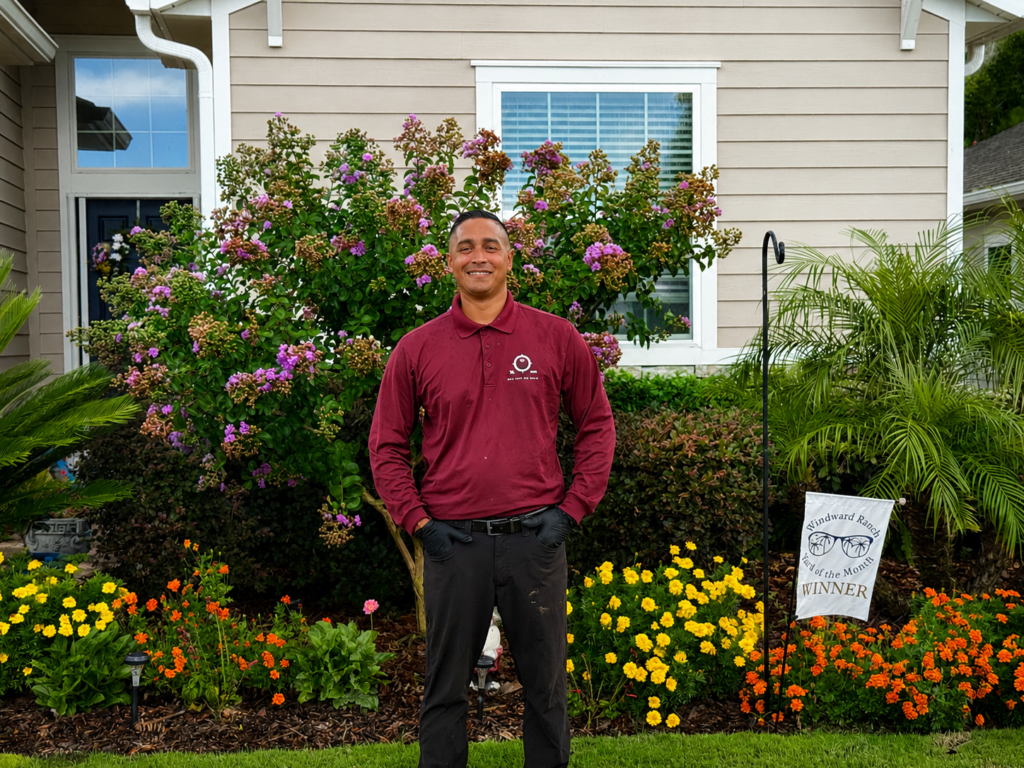
Brandon Micalizzi is the licensed owner-operator of Unity Pest & Wildlife, based in St. Augustine, FL. He’s been serving St. Johns and Flagler Counties since 2023 as an owner-operator, with nearly a decade in the pest control industry (since 2017). If you’re dealing with pest activity or want to set up a quarterly program, book a free inspection or call (386) 597-3955.
