What Happens When You Ignore Wildlife in Your Attic — The Real Cost Timeline for St. Johns & Flagler Homes
The most expensive words in wildlife removal are “let’s see if it goes away on its own.” I’ve never — in almost a decade of doing this work — seen it go away on its own. What I’ve seen is homeowners paying two, three, sometimes six times what they would have paid if they’d called the first week they heard the noise.
This is the timeline of what actually happens when you ignore wildlife in your attic in a St. Johns or Flagler home — and what it costs at each stage.
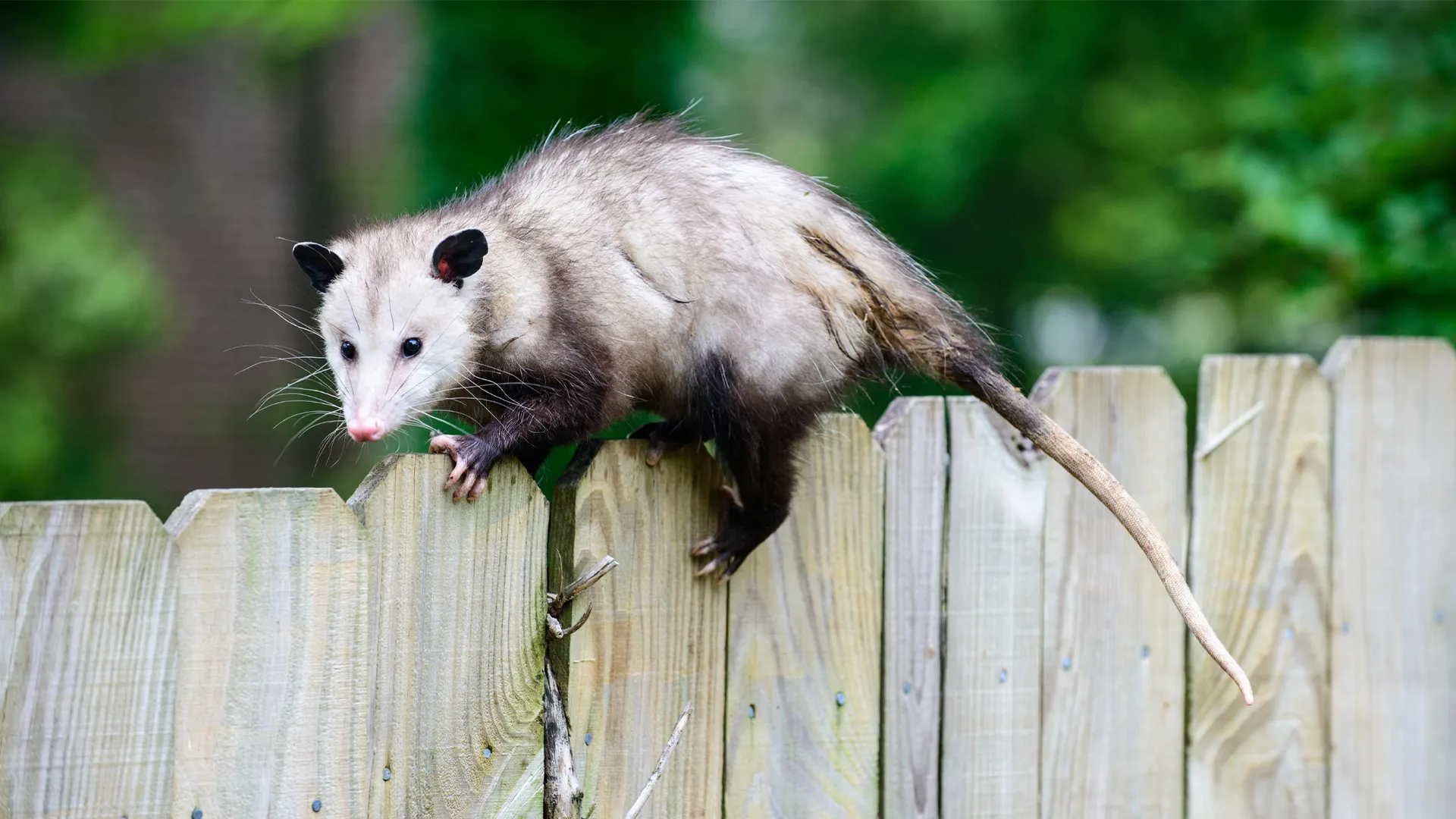
Week 1 — The Sounds You’re Hearing
Almost every wildlife call starts the same way. A scratching sound above the master bedroom at 11pm. A scurry that stops when you tap the ceiling. Your husband or wife says “it’s probably just a palm frond in the wind.” It isn’t. Palm fronds don’t move at 3am.
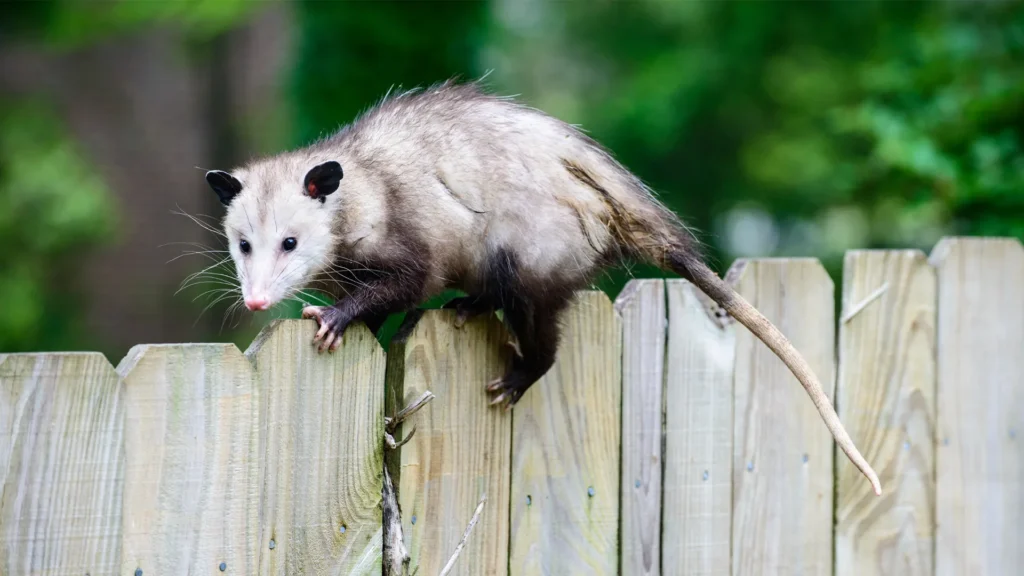
By the time you’re consistently hearing noise in the attic, the animal has been up there for at least a week — usually more. Raccoons and opossums are quiet at first because they’re still evaluating the space. They get louder once they’ve decided to stay. If you’re hearing them at night, they’re nocturnal (raccoon, opossum, roof rat). If it’s daytime, it’s likely a squirrel or a bird.
Cost to fix at this stage: $275–$550 for a single-animal live capture with exclusion of the entry point. Sometimes less. A same-week call at this stage is the cheapest wildlife job we do.
Weeks 2–4 — Damage Compounds Fast
Two things happen fast between week two and week four.
The first is that the animal starts making the space its own. Attic insulation gets compressed and matted. If it’s a raccoon or opossum, the space becomes a bathroom — urine and droppings pile up in one corner and start soaking downward through the drywall. If it’s a mother, the kits are now mobile enough to explore, chewing at the wood around the entry point to enlarge the hole so they can climb in and out.
The second is that the scent trail becomes irresistible to other animals. Wildlife pheromones and urine mark a location as “safe den.” I’ve been on jobs where by week three, the original raccoon left and a new opossum moved in — because the smell was still calling animals to the same spot.
Cost to fix at this stage: $850–$1,600 for the removal, exclusion, and sanitation of the fouled insulation. What was a single-animal job in week one is now a sanitation job too.
Months 2–3 — Insurance Won’t Cover Any of It
By month two, the damage crosses from “clean up” into “repair.” Insulation is destroyed and has to be replaced. Drywall is stained through and has to be cut out. Wiring in the attic gets chewed — a real fire risk, especially with squirrels. In older Palm Coast and Vilano Beach homes with coquina block, moisture from urine can compromise the block face.
The problem: homeowners insurance almost never covers wildlife damage. Read your policy. Damage caused by “vermin” or “wildlife” is a standard exclusion. Insurers treat it as preventable maintenance, so it comes out of your pocket.
The real financial math on a typical Nocatee raccoon job: Week 1 = $650. Month 1 = $1,900. Month 3 = $4,800. Month 6 = $8,000+. Every one of those numbers came out-of-pocket. None of them were reimbursable.
What a Typical Nocatee Raccoon Job Costs at Each Stage
- Week 1 — call at first scratching noise: $275–$650. Single visit for capture. Second visit for exclusion + minor sanitation. Done.
- Month 1 — you waited to see if it went away: $1,400–$2,100. Multi-visit removal, insulation sanitation in one area, exclusion of enlarged entry point, warranty.
- Month 3 — visible ceiling stains, active smell: $3,800–$5,200. Insulation removal and replacement in the affected areas, drywall repair coordination, full sanitation and deodorization, entry-point structural repair.
- Month 6+ — mother with kits + wiring damage: $6,500–$12,000. Everything above plus electrical inspection, wire replacement, HVAC coordination if ducts are contaminated.
Why Waiting Is Always the Most Expensive Choice
Wildlife doesn’t slow down. Kits mature and start their own dens. Females den again the next season, often in the same entry point they used before. Insulation damage compounds. Wiring risk is either zero or catastrophic — there’s no in-between.
The single best thing you can do for your wallet is treat the first scratching noise the way you’d treat a smoke alarm at 3am. Get up, investigate, get someone out there. If it’s nothing, we tell you it’s nothing (and don’t charge you). If it’s something, we’ve caught it in the cheapest possible week.
Hearing scratching in your attic? Don’t wait.
Free property inspection across St. Johns and Flagler Counties. Same-week appointments. Brandon does the inspection himself and gives you an honest answer — including “it’s probably nothing” when that’s the truth.
See Wildlife Removal Services →Read next: How to Handle Wildlife in Your Home — DIY Options and When to Call a Pro. Or dig into the full wildlife removal guide for the deeper picture on FWC rules, species, and treatment approach.
Frequently Asked Questions
How long can I wait before it becomes a real problem?
Days, not weeks. Even the “cheap” scenario assumes we get in during week one. By week three, sanitation is already part of the job.
Will homeowners insurance cover any of this?
Almost never. Damage caused by “vermin” or “wildlife” is a standard exclusion in Florida residential policies. If wildlife chewed through wiring and caused a fire, some policies cover the fire damage but not the wildlife remediation itself.
What’s the difference between a raccoon and a squirrel in cost?
Squirrels are usually cheaper (smaller animals, less damage volume) but the wiring-fire risk pushes some squirrel jobs into the same cost bracket. Raccoons are the most expensive nuisance mammal by far because they’re the largest and stay in family groups.
Can I just seal the entry point myself and skip removal?
No. If the animal is inside when you seal it, it dies inside. Mothers with young make this outcome nearly guaranteed. The correct order is always: identify → remove → exclude → sanitize.
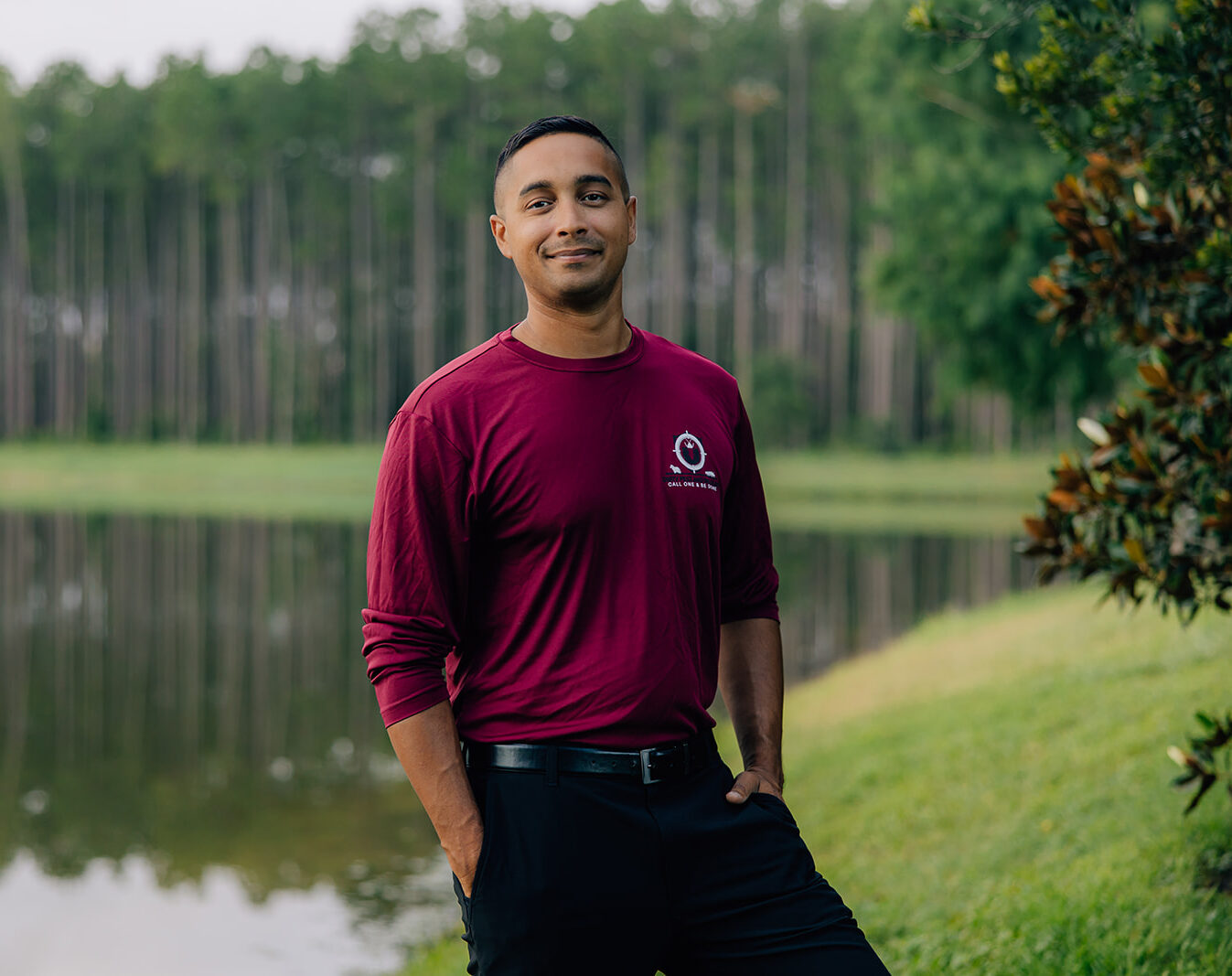
Brandon Micalizzi is the licensed owner-operator of Unity Pest & Wildlife, based in St. Augustine, FL. He’s been serving St. Johns and Flagler Counties since 2023 as an owner-operator, with nearly a decade in the industry (since 2017). If you’re seeing signs of wildlife activity, book a free inspection or call (386) 597-3955.
