Questions to Ask Your Realtor About Wildlife Before Buying a Home in St. Johns or Flagler County
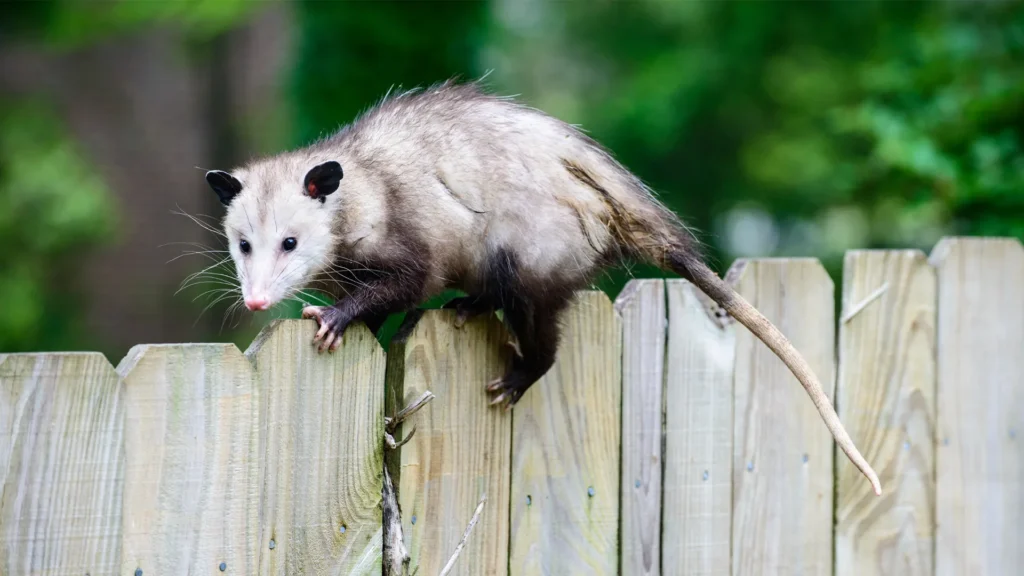
Buyers ask about roof age, HVAC condition, and flood zones. Almost nobody asks about wildlife history. Then six months into their new Nocatee home they hear scratching in the attic and discover the previous owner had been dealing with raccoons for two years. Here’s how to catch wildlife-related risks before you sign, and the questions your realtor won’t proactively raise.
Why Wildlife History Isn’t on a Disclosure Form (But Should Matter to You)
Florida’s Seller’s Real Property Disclosure Statement doesn’t require sellers to disclose past wildlife problems. Termite history — yes. Water damage — yes. Wildlife activity — no. Which means a house that had a raccoon family in the attic for a year and a $4,000 remediation job can be sold with zero required disclosure. The evidence (repaired drywall, fresh insulation, new fascia) can look like routine maintenance.
The upside for buyers: if you know what to ask and what to look for, you can uncover most of it before you’re the new owner.
Questions to Ask Before You Make an Offer
- Has any wildlife work been done on this property in the last five years? Ask the buyer’s agent to ask the seller. Common answers to probe: exclusion, exterior sealing, attic remediation, insulation replacement, “pest control” that was actually wildlife.
- Have any pest-control invoices been paid at this address? Some records show up on inspection disclosures, some don’t. Ask specifically.
- Is there recent attic insulation? Why? Fresh insulation in an otherwise unremodeled home is often a tell for post-wildlife cleanup.
- Has any soffit, fascia, or gable vent been replaced recently? Wildlife entry-point repair often shows as fresh trim work.
- Are any exterior gaps currently sealed with mesh or hardware cloth? Existing exclusion work is a signal of past activity.
- Does the property have a current pest control service? If so, ask which company and whether the seller will provide the last 12 months of service records.
- Has the seller ever seen wildlife on the property? Vague but sometimes surprisingly candid.
- What’s the surrounding land use? Adjacent preservation land, wooded lots, and older neighborhoods without exclusion history all mean higher ongoing wildlife pressure.
Signs to Look For During a Property Walk-Through
Buyers usually spend 20–40 minutes on a walk-through. Reserve five of those minutes for wildlife-specific inspection:
- Look at the soffits and roofline from ground level. Missing sections, patched-in mesh, discolored areas near gable vents.
- Look at the fascia edge along the entire roofline. Curled, chewed, or replaced sections indicate wildlife past or present.
- Note any solar panels. Bird nesting under solar arrays is a growing issue on Palm Coast R-section properties.
- Check every dryer vent and utility penetration. Screen absent or damaged = common rodent entry.
- Walk the yard perimeter for armadillo digs. Cone-shaped divots in the lawn or flowerbeds indicate active armadillo feeding.
- Look under any decks and porches. Chewed lattice, matted vegetation, or scent trails suggest opossum or feral cat activity.
What to Check in the Attic (If You Can Access It)
Very few home inspections spend meaningful time in the attic. If you can — either during the walk-through or during your professional inspection — climb into the attic space with a flashlight and look for:
- Insulation compressed in specific paths (indicates repeated animal movement)
- Droppings — dark elongated shapes for rats, larger clumped shapes for raccoons
- Stained or discolored insulation (urine leaching)
- Chewed wiring insulation on electrical or HVAC runs
- Nesting material — shredded insulation, leaves, cloth
- Odor — sharp ammonia (rodent), musty (bat), or generalized “animal” (raccoon, opossum)
Ignored Signs That Point to a Bigger Problem
Some subtle signs indicate ongoing wildlife issues the seller may be minimizing:
- A dehumidifier running in a sealed attic. Sometimes deployed to mask smells from active or recent wildlife.
- Recent electrical or HVAC work. Wildlife wiring damage is a common cause.
- Fresh caulk or foam around penetrations. Owners sometimes DIY-seal without full exclusion.
- An unusually strong “clean” smell in specific rooms. Deep cleaning of urine-stained ceiling areas.
Adding a Wildlife-Inspection Contingency to Your Offer
Standard home inspections aren’t wildlife inspections. If you have real concerns based on what you’ve seen — or if you’re buying in a high-pressure area (Palm Coast R-sections, Vilano Beach, older Nocatee builds) — a licensed wildlife inspection is $150–$275 and takes about an hour.
You can also add a contingency to your offer requiring seller to complete a wildlife inspection prior to closing. Not standard, but legal, and worth pushing for if walk-through raised concerns.
The math on doing this vs. skipping it: $150–$275 for a pre-close wildlife inspection. $4,000–$12,000 for the wildlife remediation you might inherit if you skip it. Same year. Different order of magnitude.
Buying a home in St. Johns or Flagler? Book a wildlife pre-purchase inspection.
Same-week inspection appointments across St. Johns and Flagler Counties. Brandon inspects the attic, roofline, and exterior himself. Written report you can share with your realtor and closing attorney.
See Wildlife Removal Services →Read next: Early Warning Signs You Have Wildlife in Your Home. Or the full wildlife removal guide.
Frequently Asked Questions
Is my home inspector going to catch wildlife issues?
Sometimes. General home inspectors are trained to note visible pest damage but rarely climb attics for wildlife-specific issues. If you have concerns, add a licensed wildlife inspection.
How much does a pre-purchase wildlife inspection cost?
$150–$275 for a licensed wildlife inspection of attic, roofline, exterior, and yard. Written report delivered within 48 hours.
Can I use the wildlife inspection report as leverage in negotiation?
Yes, if it uncovers material issues. A documented active wildlife problem is grounds to renegotiate price or require the seller to complete remediation before closing.
What if I already bought the home and now suspect wildlife?
Same process — free inspection, we’ll tell you what’s active and what’s evidence of past activity. Either way you’ll know what you actually have.
Brandon Micalizzi is the licensed owner-operator of Unity Pest & Wildlife, based in St. Augustine, FL. He’s been serving St. Johns and Flagler Counties since 2023 as an owner-operator, with nearly a decade in the industry (since 2017). If you’re buying a home and want help with a pre-purchase wildlife inspection, book a free inspection or call (386) 597-3955.
