What Happens When You Ignore Yellowing Palms and Thinning Lawns — The North Florida Damage Timeline
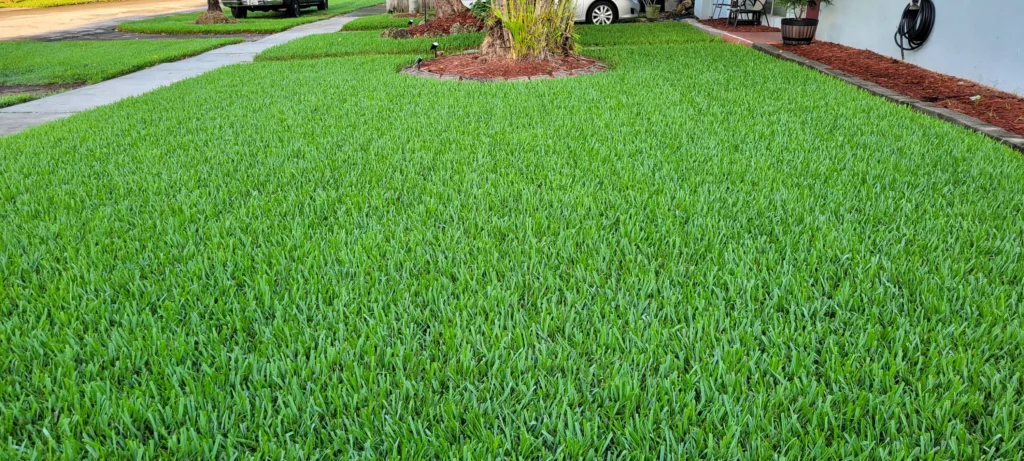
Yellow palm fronds and thinning lawn patches look like cosmetic problems. They aren’t. They’re the visible surface of nutrient deficiencies and pest activity that compound fast in North Florida’s climate — and by the time the damage is obvious, you’re often past the cheap fix.
This is the honest timeline of what happens when you ignore early-stage lawn and palm problems in a St. Johns or Flagler County property, and the real cost math at each stage.
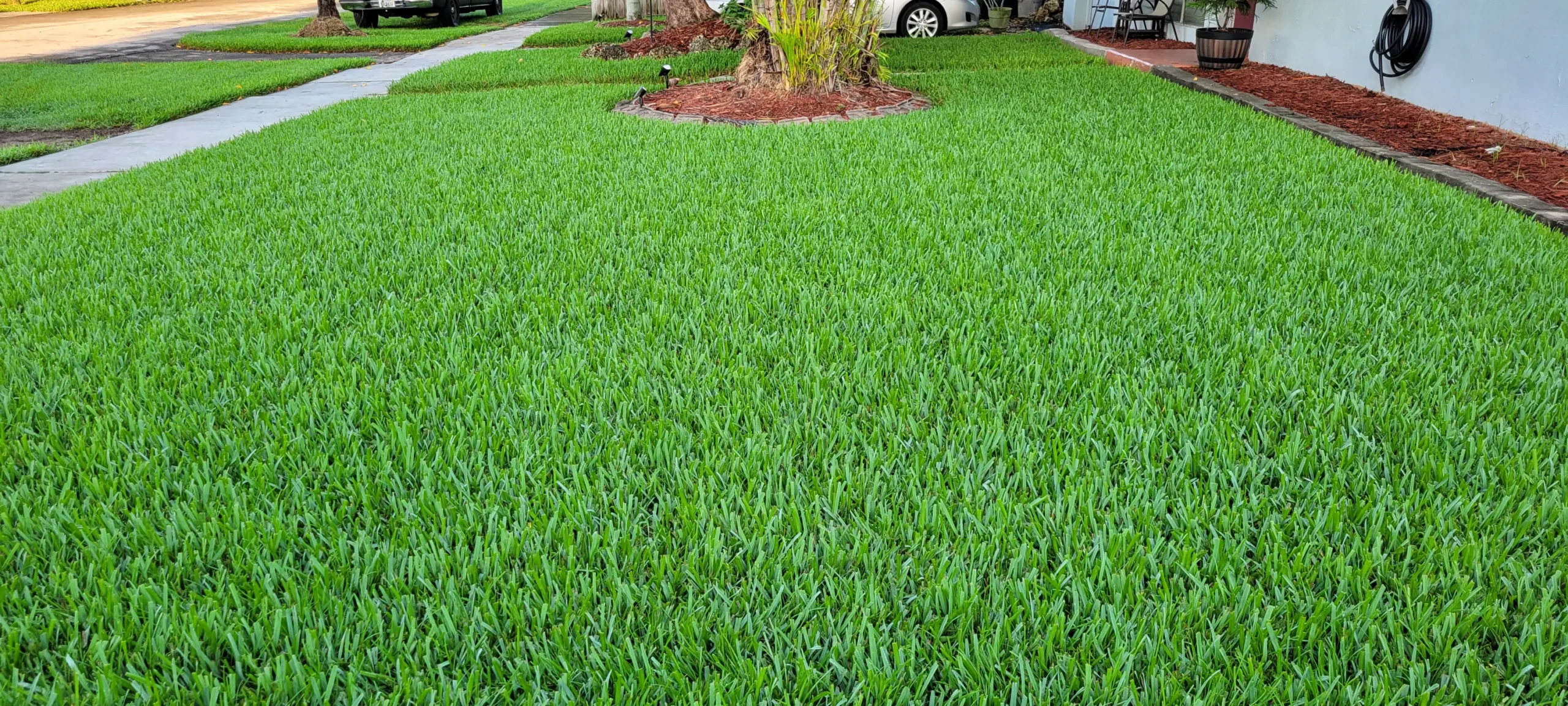
Weeks 1–4 — What Yellow Fronds Actually Mean
Yellow fronds on a palm are the plant’s version of a check-engine light. Palms mobilize potassium from old fronds to new growth when there’s not enough — that yellowing is the plant sacrificing older leaves to keep new ones alive. The tree is signaling that soil-available potassium (or manganese, or magnesium, or boron) has dropped below what it needs.
Lawn thin spots in this same window are usually one of three things: early chinch bug activity, developing brown patch fungus, or nitrogen depletion. All three look similar in weeks one to four. All three are cheap to fix at this stage and expensive later.
Cost to fix at this stage: One targeted treatment — palm micronutrient soil drench ($180–$450 depending on palm count), chinch bug preventive ($75–$150 per treatment area), or slow-release fertilizer round ($65). Or start the annual program at $65–$140/visit.
Months 2–3 — Nutrient Deficiency Becomes Structural
By month two, palm deficiency crosses from cosmetic into structural. Manganese-deficient palms start showing “frizzle top” — new fronds emerging weak, frizzled, yellow. The spear (the growing tip) looks stunted. This stage is dangerous because manganese deficiency is fatal if untreated. Once the spear dies, the palm cannot recover.
Lawn damage at this stage is spreading. A single 2×2 foot chinch bug damage patch in week one is now 6×6 feet with expanding dead margins. Brown patch has moved from one round circle to overlapping circles. Grass that thinned from nitrogen deficiency now shows weed pressure filling the gaps.
Cost to fix at this stage: Palm rescue treatment $350–$750 per palm depending on stage. Lawn recovery treatment $300–$600 with follow-up rounds. Or start the annual program with a heavier initial visit.
Months 4–6 — Lawn Thin Spots Become Bare Patches
By month four to six, damage is visible from the street. Bare patches show soil. Palms have lost significant frond mass. Weed pressure has established in the gaps. Chinch bugs that started in one sun-heavy corner may have spread across the whole property.
At this stage, you’re not treating a problem — you’re rebuilding. Bare lawn requires either aggressive fertilization and irrigation to encourage regrowth, or partial re-sodding. Palms need multiple rounds of micronutrient treatment plus ongoing feeding to recover fronds that were lost.
Cost to fix at this stage: Full lawn recovery program (12 months of rebuild): $1,200–$2,400. Partial re-sod: $800–$3,000 depending on square footage. Palm recovery: $400–$1,200 per palm, spread across multiple treatments over 8–12 months.
The math on a typical Palm Coast R-section property: Week-one intervention on early yellowing = $180 per palm treated. Month-six intervention when palms are structurally damaged and lawn is 40% bare = $2,800 for palm treatment plus $1,500 for lawn recovery. Same year. Different order of magnitude.
When It’s Too Late — Palms That Can’t Be Saved
Some palm damage is genuinely irreversible. Manganese deficiency that’s killed the spear cannot be reversed — no amount of manganese sulfate brings the growing tip back once it’s dead. Boron deficiency past a certain stage produces permanently deformed fronds that don’t grow out. Potassium and magnesium deficiencies are the most forgiving; a badly deficient palm can recover fully with 12–18 months of correct treatment, but the fronds that were lost don’t come back.
For a mature Sabal or Queen palm in a St. Augustine landscape, replacement cost is $1,500–$4,500 installed depending on species and size. That’s a real number to weigh against the $180 you would have spent at week one.
Cost of Palm Replacement vs. Treatment
- Week 1 — yellowing fronds, healthy spear: $180–$450 per palm. One treatment. Recovery in 60–90 days.
- Month 3 — moderate deficiency, weak new growth: $350–$750 per palm. Multi-round treatment over 6 months. Full recovery in 8–12 months.
- Month 6 — advanced deficiency, some frond loss: $400–$1,200 per palm across 4–6 treatments. Recovery variable — 12–18 months if the spear survived.
- Terminal — dead spear or catastrophic frond loss: Replacement. $1,500–$4,500 per palm installed depending on species and size.
Why Timing Is Everything in Florida Lawn Care
Two factors compress the timeline here. Sandy soil doesn’t hold nutrients — every rain leaches what’s there, so deficiencies develop faster than in loamy northern soil. And North Florida’s climate never rests — chinch bugs, brown patch, and sod webworms are active for 8+ months per year, so damage compounds without a dormant break.
This is why the annual program works so well. Eight visits per year, each one timed to catch a specific issue in its earliest stage. It’s the cheapest possible way to maintain a Florida lawn and palm landscape long-term.
Yellowing palms or thinning lawn? Book a free assessment.
Free property walkthrough across St. Johns and Flagler Counties. Brandon diagnoses the deficiency, identifies the pest, and quotes a treatment calendar in writing. No obligation.
See Lawn & Palm Care Services →Read next: How to Fix Your Yellowing Palms and Thinning Lawn — DIY vs. Pro. Or dig into the full lawn and palm care guide for the deep-dive on all four nutrient deficiencies and the annual calendar.
Frequently Asked Questions
How can I tell if my yellow palm is a nutrient issue or a disease?
Nine out of ten yellowing palms in North Florida are nutrient deficiencies, not disease. Nutrient deficiencies show a specific pattern based on which nutrient is missing (potassium yellows old fronds first from the tip inward; manganese hits new fronds; magnesium creates yellow banding on older fronds). Disease is much rarer and usually presents with additional symptoms like unusual growths or bleeding sap. A free walkthrough diagnosis is the fastest way to know.
Will homeowners insurance cover any lawn or palm damage?
No. Landscape damage from insects, disease, or neglect is universally excluded from Florida residential policies. The only exception is storm damage — a fallen palm during a named hurricane is often covered, but a palm that died from manganese deficiency during the same storm season is not.
Can I fix this myself if I catch it early?
Sometimes. Early-stage potassium and magnesium deficiencies respond to consumer palm fertilizers like Sunniland Palm Special. Manganese deficiency (frizzle top) needs targeted manganese sulfate treatment — a licensed applicator is safer. Chinch bug damage responds to consumer granulars like BioAdvanced or Ortho if caught before the damage is significant.
How long until I see results after treatment?
Chinch bug treatment: results in 7–10 days. Palm nutrient recovery: 60–90 days to see improvement in new fronds, 6–12 months for full recovery on a badly deficient palm. Lawn recovery from months of damage: 12–18 months on the annual program.
Brandon Micalizzi is the licensed owner-operator of Unity Pest & Wildlife, based in St. Augustine, FL. He’s been serving St. Johns and Flagler Counties since 2023 as an owner-operator, with nearly a decade in the industry (since 2017). If you’re seeing signs of lawn or palm trouble, book a free assessment or call (386) 597-3955.
