After a Decade in Pest Control, Here Are the Best Ways to Do Termite Control in St. Augustine, Palm Coast & St. Johns

A couple bought their retirement home in a historic downtown St. Augustine neighborhood in 2021. Coquina block foundation, heart-pine floors, big screened porch, walking distance to the water — everything they’d wanted. The prior owner had a termite bond in place. The inspection came back clean. They closed and moved in.
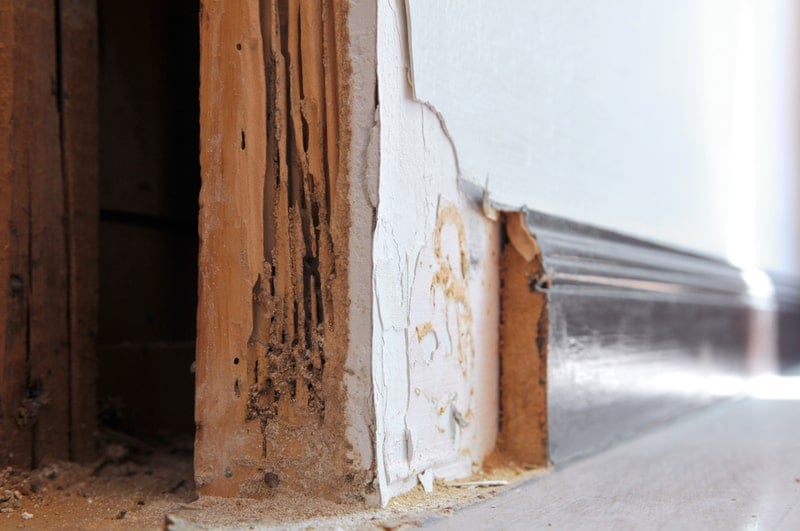
Two years later, on a Saturday morning, the wife stepped through the porch floor. Not “the board felt soft” — she put her foot through it and cut her shin. When I got out there and pulled the pine planking back, the joist below was so eaten out you could see daylight through it. The termites had been active the entire time the house was under bond. Nobody was doing the annual inspections that keep a bond active. The paper was there. The follow-through wasn’t.
They paid $18,000 for the repair. Their homeowners insurance covered zero of it — because in Florida, no residential policy covers termite damage. And the sub-slab treatment plus new bond ran another $3,400 on top.
Termites are the most preventable major expense a Florida homeowner faces. They’re also the most misunderstood. This is the guide I use to walk new clients through the reality — what species we actually have, how to spot early warning signs, and what your options actually cost.
The Termite Reality in St. Johns and Flagler Counties
Termites need three things: cellulose (wood), moisture, and warmth. North Florida gives them all three, twelve months a year. There’s no dormant season. Colonies that are established will forage year-round, and swarm events happen from late winter through early summer.
The Northeast Florida coastal corridor sits on sandy, well-draining soil with a shallow water table — which sounds like it should be bad for termites but is actually ideal. The sand doesn’t hold surface moisture, but it lets subterranean colonies build long, wet mud-tube pathways up into structures. Plus every wood-framed home within a mile of the marsh has consistent humidity in the wall cavities. That’s the whole feast.
Real estate movement makes it worse. Every buyer and seller in St. Johns and Flagler wants a clean termite report before a closing. A free termite inspection before you list — or before you close on a new home — is the cheapest insurance in the transaction. If we catch active termites, the seller pays for treatment before closing. If nobody checks, the new owner inherits the problem the previous owner buried.
The math nobody talks about: subterranean termite treatment on a typical single-family home runs $800–$2,800. A structural termite repair after two years of unchecked activity runs $8,000–$40,000. That’s the price of not catching it early.
Homeowners Insurance Doesn’t Cover Any of It
Every homeowner I talk to assumes their insurance covers termite damage. It never does. Read your policy — you’ll find “damage caused by insects, vermin, or rodents” in the exclusions section. The reasoning is simple: termite damage is considered preventable through routine maintenance, so insurers treat it as a maintenance issue, not a covered peril. That’s the entire basis of the termite bond industry.
Florida’s Termite Species — And Why the Species Matters
Eastern Subterranean Termites — The Most Common
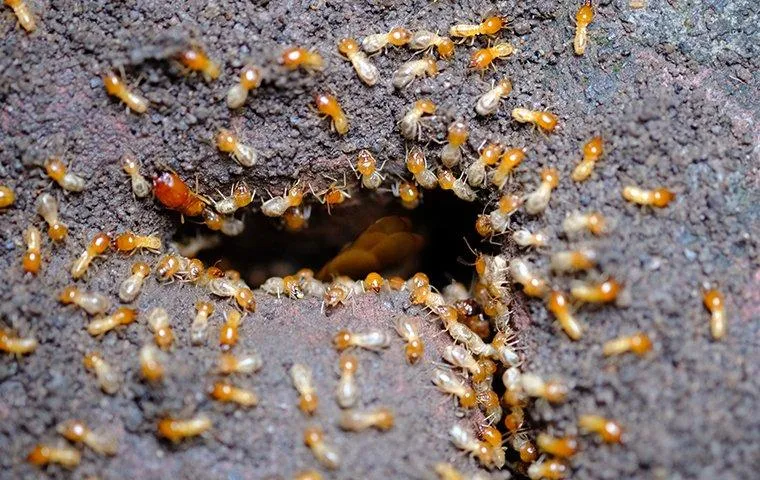
The vast majority of termite calls I get in St. Johns and Flagler are Eastern Subterranean termites. They live in the soil, build mud tubes up foundations and piers, and forage into structural wood at ground level. Colonies range from 60,000 to over a million individuals. Damage is slower than drywood termites but far more common.
Warning signs are usually visible if you know what to look for: pencil-thin mud tubes on foundation walls, on piers under raised homes, or up the outside of a garage slab. Discarded swarmer wings around windows in spring. Wood that sounds hollow when you tap it, especially near where the wall meets the floor.
Drywood Termites — No Soil Required
Drywood termites don’t need soil contact. They colonize directly into wood — attic rafters, roof beams, wood trim, cabinets. Colonies are smaller (a few thousand individuals) but often multiple colonies establish in the same structure. The signature warning sign is small piles of what looks like sawdust or coffee grounds near wood surfaces — those are drywood termite droppings, called frass.
Drywood is what makes the barrel-tile roofs and heart-pine ceilings of historic downtown St. Augustine such a target. I do drywood spot treatments in the downtown historic district almost every month.
Formosan Termites — The Super Termite
Formosan termites are aggressive, fast, and increasingly present in Florida. Colonies can hit two million individuals and can cause serious structural damage in six months. They’re not yet as common as native subterranean termites in St. Johns and Flagler, but I see two or three confirmed Formosan jobs per year and the trend is up.
If you see swarming termites in June or July (Formosan swarm later than native subs, which swarm in March-April), get an inspection.
How to Tell If You Have Termites — Signs Most Homeowners Miss
1. Mud Tubes on Foundations, Piers, or Slab Edges
Pencil-thin brown tubes running vertically on your foundation, on the piers under a raised home, or up the outside of your garage slab. Break one open. If it’s still moist inside, activity is current. If it’s dry and hollow, colony has moved but may return.
2. Discarded Swarmer Wings
Late winter to early summer, colonies release reproductive termites called alates. They fly briefly, land, shed their wings, and pair off to start new colonies. Piles of small clear-brown wings on windowsills, near door frames, or in spider webs on porches mean a colony recently swarmed — either yours or a neighbor’s.
3. Frass — The Sawdust That Isn’t Sawdust
Small piles of granular, pellet-like material near wood surfaces indicate drywood termite activity. It looks like coffee grounds or fine sawdust. Common spots: window sills, along baseboard edges, on top of built-in cabinets, or on attic floor joists.
4. Wood That Sounds Hollow When You Tap It
Termites eat wood from the inside out. Structural framing that’s been active for months may still look normal from the outside but sound hollow when you tap it with a screwdriver handle. Most common on baseboards, door frames, and the base of vertical wall studs at floor level.
5. Blistering or Bubbling Paint
Surface bubbling that looks like water damage but has no water source — because termites are eating the wood just under the paint layer and the paint is left as a thin skin over the excavation.
6. Advanced Structural Damage
Sagging floors, sticking windows and doors, or drywall that’s soft to the touch. By this stage, colonies have been active for years. Time is not on your side.
Rule of thumb: if you see any two of these signs, get an inspection this week. Not next month. Not “when I have time.” Termites eat 24 hours a day and every week you wait costs you real money in structural damage your homeowners insurance won’t cover.
Treatment Options — What Actually Works and What Each Costs
Termidor Liquid Soil Barrier
Termidor is a non-repellent termiticide injected into the soil around a home’s foundation. Termites walk through the treated soil unable to detect it, pick up the active ingredient (fipronil), and carry it back to the colony where it spreads by contact. Best for active subterranean colonies. Lasts 10+ years. This is my most common treatment for St. Johns and Flagler homes.
Typical cost: $800–$2,800 depending on linear footage.
Trelona Baiting System
Trelona is an in-ground baiting system with monitoring stations placed around the perimeter. Termites find the bait, take it back to the colony, and the active ingredient (novaluron) prevents them from molting. Colony collapses over weeks to months. Best for properties where soil treatment is impractical (deep landscaping, well proximity, heavy irrigation lines), and for HOA properties that want a monitored, low-impact approach.
Typical cost: $1,400–$3,200 first year, $175–$325/year renewal for monitoring.
Localized Drywood Treatment
Spot injections of foam or gel into infested wood — for small drywood colonies caught early. Non-invasive, no tenting. Great for isolated activity in a specific piece of trim, cabinet, or attic rafter. Cost: $450–$1,200.
Tent Fumigation (Vikane)
Whole-home tarp fumigation with sulfuryl fluoride gas. Two to four days, family and pets relocate. Kills every termite in every void. Reserved for widespread drywood infestations. Cost: $1,800–$4,500 depending on cubic footage.
Termite Bonds — What They Actually Cover
A termite bond is essentially a service contract. After treatment, you pay an annual fee ($175–$325/year for a typical single-family home) and in exchange:
- The bond company (us) performs an annual inspection
- If termite activity returns during the bond period, re-treatment is covered
- Some bonds include a damage repair component up to a stated cap
The critical piece is that annual inspection. Skip it and the bond lapses. That’s what happened to the St. Augustine couple I opened this guide with — the paper was in place, nobody was doing the inspections that keep it active. Ask specifically: “does my bond include damage coverage, or just re-treatment?” There’s a big difference. If you’re buying a home, ask specifically whether the bond is transferable — most modern bonds are, but some aren’t.
Suspect termites? Buying a home? Curious about a bond?
Free termite inspection across St. Johns and Flagler Counties. Same-week appointments. Written quote. Brandon does the inspection himself and gives honest advice — including “you don’t need treatment yet, but you should watch this spot” when that’s the truth.
See Termite Control Services →Frequently Asked Questions
How much does termite treatment cost in St. Augustine and Palm Coast?
Termidor liquid barrier for a typical single-family home runs $800–$2,800 depending on linear footage. Trelona baiting is $1,400–$3,200 first year. Localized drywood treatments are $450–$1,200. Tent fumigation is $1,800–$4,500. Every quote is free and given in writing.
How do I know if I have termites or just ants?
Ants have three body segments and bent antennae. Termites have two body segments and straight antennae. Discarded wings tell the story too — termite wings are all four the same size; ant wings are two large and two small.
Can you inspect before a real estate closing?
Yes. Free termite inspections with same-week appointments across St. Johns and Flagler Counties. Written report delivered within 48 hours — realtor-ready. If you’re closing next week and need it by Friday, call Monday.
What’s the difference between Termidor and Trelona?
Termidor is a liquid barrier injected into soil around the foundation — best for active subterranean colonies, effect lasts 10+ years. Trelona is an in-ground baiting system with monitored stations — best where soil treatment isn’t practical, ongoing monitoring required. Both are effective; the right choice depends on your property.
Do you handle Formosan termites?
Yes. Formosan termites are aggressive and colony sizes are massive (up to two million individuals), but the treatment approach is the same as native subterranean — Termidor liquid barrier or Trelona baiting. What changes is urgency. Formosan colonies do serious damage faster, so we treat within the same week.
Can I sell my home with an active termite bond?
Yes, and it’s often a selling point. Ask about a transferable bond when you sign your service agreement — most modern bonds transfer to new owners at no cost.
Brandon Micalizzi is the licensed owner-operator of Unity Pest & Wildlife, based in St. Augustine, FL. He’s been serving St. Johns and Flagler Counties since 2023 as an owner-operator, with nearly a decade in the pest and termite industry (since 2017). If you suspect termite activity or want a clean inspection before a real estate closing, book a free termite inspection or call (386) 597-3955.
